Skip to content

Cart

Your cart is empty


Cookware

By: Lorissa Violet
Cookware

Well, Hexclad DECLINED me for a partnership so sucks to suck...

Many modern nonstick pans that claim to be nontoxic really aren't. They are coated with chemicals like PFAS (also known as “forever chemicals”), which can leach into your food and the air when heated, (even those that say “nontoxic”).

If you’re switching to safer, nontoxic, and durable options,  these four that I’d choose from: 1. enameled cast iron

2. stainless steel

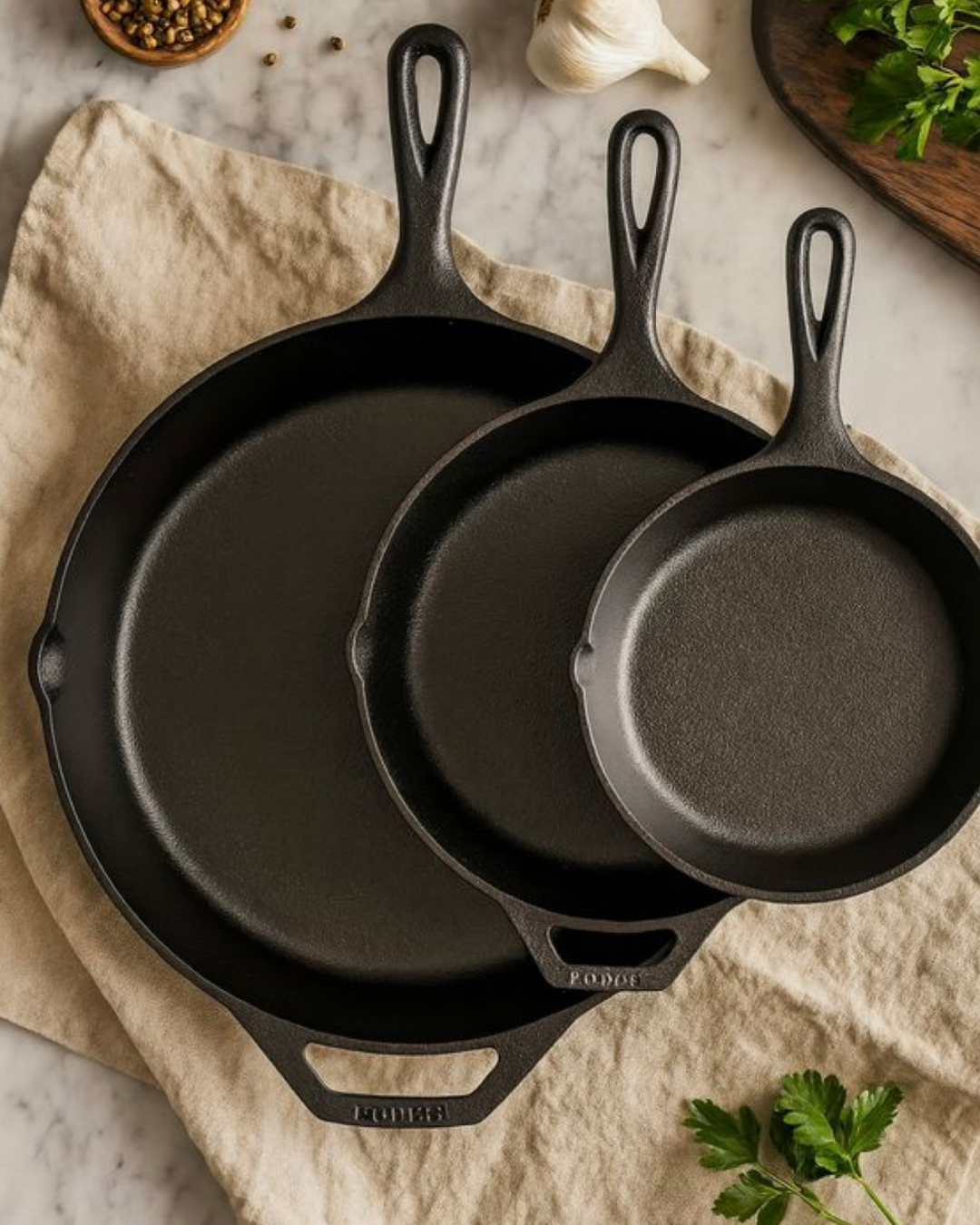
3. cast iron

4. carbon steel.

You can find my favorites linked below.

If you’re transitioning to a less-toxic kitchen, these are the safest, time-tested materials to invest in. If you want a mix, here’s a break down:

For slow cooking and soups: go enameled cast iron.

For daily use and easy cleanup: use stainless steel.

For high-heat searing or baking: reach for cast iron or carbon steel.

A nontoxic kitchen doesn’t mean perfect, it means mindful. Choose pieces that fit your lifestyle, care for them well, and they’ll literally last generations.

Recommended Products

Enameled Cast Iron

What it is:
Cast iron coated in a smooth, non-reactive enamel glaze (often found in pieces like Le Creuset or Staub). It gives you all the heat retention benefits of cast iron — without the need for seasoning or worrying about acidic foods reacting with the metal.
Why it’s great:
It’s completely non-reactive, naturally nonstick once warmed, and free of toxic coatings or PFAS.
Pros:
Non-reactive surface: safe for tomatoes, vinegar, wine, and acidic dishes
No seasoning required
Easy to clean, can be dishwasher-safe (depending on brand)
Long-lasting and gorgeous on the stovetop
Retains and distributes heat evenly
Cons:
Heavy (especially larger Dutch ovens)
Can chip if dropped or scraped with metal utensils
Takes longer to heat up than stainless steel
Pricier than other options
Best for: Soups, stews, braising, baking sourdough, and slow cooking

Enameled Cast Iron

Stainless Steel

What it is:
A mix of steel, chromium, and nickel — making it corrosion-resistant and one of the safest and most durable cookware materials available.
Why it’s great:
It doesn’t leach harmful chemicals and is naturally non-toxic. High-quality stainless steel (that is key) ensures a non-reactive surface, even when cooking with acidic foods.
Pros:
non-toxic and non-reactive
Lightweight compared to cast iron
Dishwasher safe and easy to sanitize
Great for browning and searing
Lasts decades with proper care
Cons:
Food can stick if not heated or oiled properly
Doesn’t retain heat as well as cast iron
Lower-quality stainless can leach trace metals
Best for: Everyday sautéing, stir-fries, boiling pasta, and searing proteins

Stainless Steel

Cast Iron

What it is:
Classic, old-school cookware made from a single piece of iron. It needs to be seasoned (coated with oil and baked) to build its natural nonstick layer.
Why it’s great:
Completely chemical-free, naturally nonstick when seasoned properly, and built to last a lifetime. It can go from stovetop to oven to campfire if that’s your jam.
Pros:
Naturally nonstick when seasoned
Free from synthetic coatings or chemicals
Adds trace amounts of iron to food (pro or con? I don’t think it matters too much)
Excellent heat retention
Nearly indestructible
Cons:
Requires seasoning and regular maintenance
Reactive to acidic foods (can strip the seasoning)
Heavy and can rust if not dried properly
Best for: Searing steaks, baking cornbread, frying, and roasting

Cast Iron

Carbon Steel

What it is:
A mix of iron and a small amount of carbon — like cast iron’s lighter, smoother cousin. It needs seasoning too but develops a slick surface with use.
Why it’s great:
Naturally non-toxic, lighter than cast iron, and performs similarly to stainless steel with a touch of that old-fashioned charm. Once seasoned, it’s a pro-level pan without the chemicals.
Pros:
Naturally nonstick with seasoning
Lighter and easier to handle than cast iron
Heats quickly and evenly
Completely free of PFAS and other coatings
Can last forever with proper care
Cons:
Requires seasoning and care (like cast iron)
Can rust if left wet
Not dishwasher-safe
Best for: Eggs, pancakes, stir-fries, and quick sears

Carbon Steel

Recommended Providers

Share this post:
